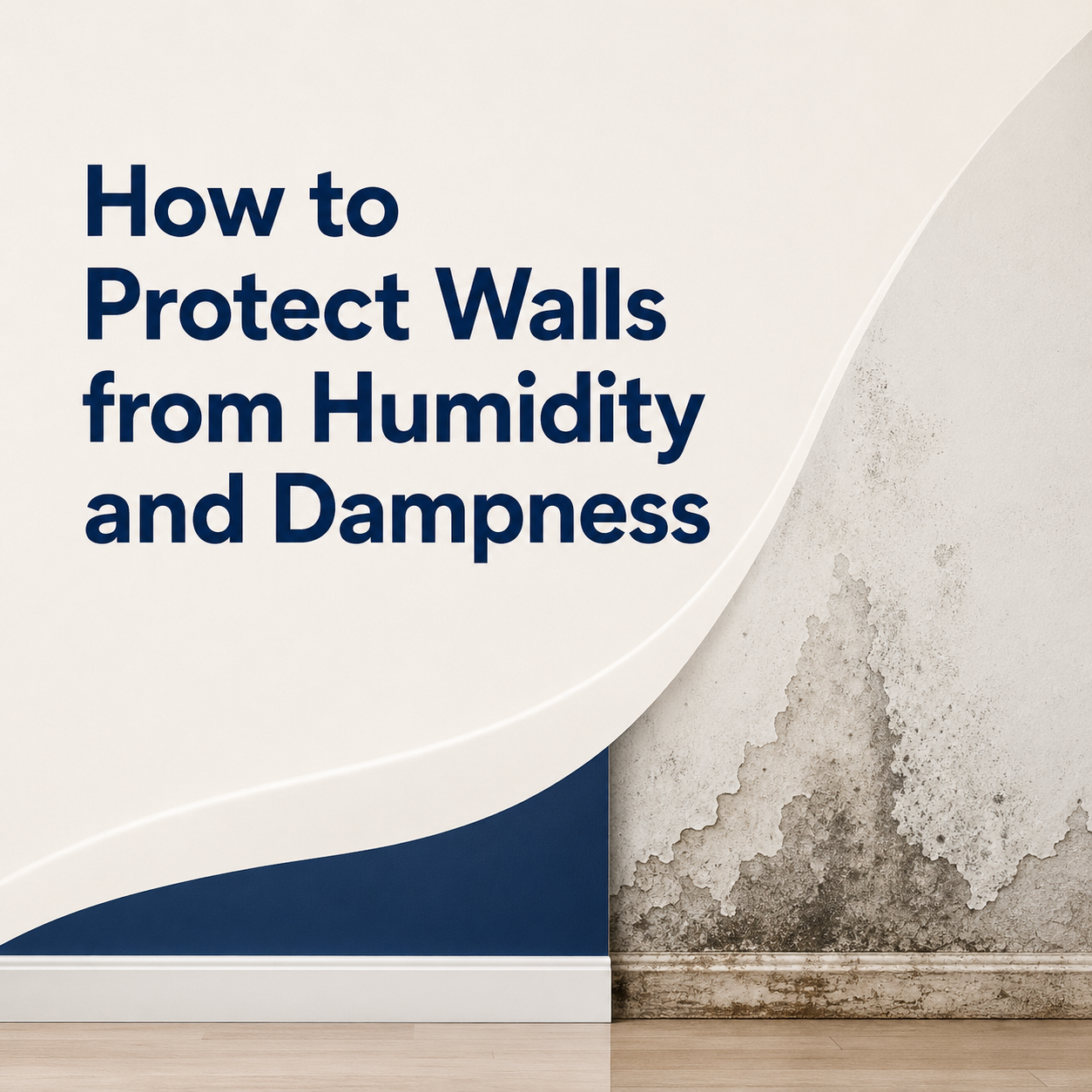
Ever walked into a room and seen the walls? The paint appears old, there is a faint scent, and a dark spot in the corner seems to be getting bigger every week.
That’s what wetness does. It builds up inside the wall long before it shows on the outside. Quick solutions don’t work anymore once it shows up. To handle it correctly, you need to know what’s going on beyond the wall and stop it there.
What causes wall dampness in homes?
Walls are not as solid as they look. Cement, plaster, gypsum, and wood are some examples of materials that have microscopic holes. These pores work like sponges.
The air holds moisture when it’s humid. Some of that moisture gets absorbed when the air meets your walls. It builds up over time. That’s why walls might feel damp even when you can’t see a leak.
Another source is rainwater. Water slowly gets in through cracks or weak paint on the outside wall. Daily activities in the house also add moisture. The humidity goes up when you cook, take a shower, or even breathe. That liquid stays trapped without air flow.
Then there’s dampness that rises. The wall lets water from the ground move up. It usually appears on the bottom parts of walls and keeps coming back if not treated properly.
How do you know if a wall has dampness?
Dampness doesn’t usually show up all at once. It starts with small signs.
The paint starts to bubble or flake. You might see spots that don’t match the rest of the wall. A white powder can show up at times. That is salt that is coming out with water.
If you touch the wall, it can feel chilly or a little moist. Even after cleaning, rooms that are closed off may still smell bad. If mold appears, it means that the wall has been wet for a long period.
Why does dampness come back after painting?
That’s because paint only covers the top. It doesn’t keep moisture from getting into the wall. Water pushes the paint out when it builds up behind it. That’s when the peeling starts again.
The paint isn’t the problem, then. The issue is what’s going on under it.
How does moisture travel through walls?
Moisture is sneaky. It doesn’t merely come in as water. It also behaves like a gas.
Water gets in through cracks and weak spots. Humidity makes the air inside the wall move. Even if you stop one, the other can still hurt you.
That’s why some walls stay wet even after they have been waterproofed. The other side is where the moisture is coming from.
How to stop dampness in walls step by step
Once you know where the problem is coming from, fixing it is easy.
Check for cracks, broken plaster, or weak spots first. First, fix these. No coating will work right if the surface isn’t sealed.
Next, check the airflow. Rooms that feel stuffy often hold in moisture. When you can, open windows and use exhaust fans when you need to. Changes, even modest ones, can have an effect here.
As soon as you see a leak, fix it. A wall can stay damp for weeks without showing any signs of a slow leak.
Put on a good protective coating after the wall is dry. This is where the Water Shield ZSAC-10/55. It forms a coating that keeps water out and slows down the movement of moisture through the wall.
Which is the best waterproofing solution for damp walls?
A solid solution must be able to deal with both water and humidity. The Zahabiya Water Shield ZSAC-10/55 is made for it.
It makes a layer of protection on surfaces including wood, MDF, gypsum boards, and cement walls. This layer keeps water out and slows down the migration of moisture inside the wall.
It works well in high humidity, even when the air is wet for a long time. The coating stays flexible, so it won’t crack when the temperature changes.
Because of this, it can be used on walls, ceilings, and insulating materials both inside and outside.
How to protect interior walls from humidity
Trapped moisture frequently affects the walls inside. The first places to show indications are the kitchen and bathroom.
To begin, wipe the surface and get rid of any stray paint. If there is mold, get rid of it first. Put on a coat that keeps water and vapor out once the wall is dry. Using Water Shield ZSAC-10/55 helps keep moisture from coming back.
Also, let your walls breathe. When furniture is pushed up against walls, it collects moisture. A slight gap can benefit more than you think.
Which areas are usually missed in damp proofing?
Some of the most risky moisture problems are in places that are rarely checked out.
False ceilings, if not properly sealed, are able to keep moisture. Trapped moisture can cause damage to hardwood frames and interior wall construction over time.
Another easily neglected space is the bathroom. Moisture can penetrate under tiles and cause damage over time if the bottom of the walls are not properly sealed.
Taking care of these things early saves a lot of trouble later.
What simple habits reduce humidity indoors?
You can control moisture with small things you do every day.
Let in fresh air by opening the windows. When you cook or take a shower, turn on the exhaust fans. Don’t dry items inside if there isn’t enough air flow.
Check your walls quickly when it rains. Finding little problems early can help you avoid bigger ones later.
When should you fix damp walls?
As soon as you see the first sign. Waiting basically lets the dampness spread more.
If the paint is peeling, there are patches, or it smells, the wall is already damaged. Taking action early keeps the problem small and easier to deal with.
Conclusion
Dampness doesn’t go away on its own. It keeps spreading until the source is dealt with correctly.
It’s time to try something else if you’ve been painting over and over again with the same effect. Zahabiya Chemicals makes products that work well in humid environments. For example, Water Shield ZSAC-10/55 protects walls from water and moisture.
Fix it once, and fix it properly. A good coating now can save you from repeated repairs later.
FAQs
What is the best way to stop humidity from damaging walls?
The best thing to do is to keep the moisture in the house under control and protect the walls. Use the right kind of ventilation, such as exhaust fans and open circulation. Then put on a coat that stops moisture from getting in. This mix keeps mold from growing, paint from peeling, and wet spots from forming.
Why do walls feel damp even without leaks?
Walls can soak in moisture from the air when it is humid. When the humidity inside is high, water vapor settles on walls. Over time, this makes things wet even when there isn’t an obvious leak or water source.
Can waterproof paint stop dampness completely?
Just using waterproof paint usually doesn’t fix the problem. Most paints stay on top of things and let some moisture through. A coating that serves as both a waterproofing and a vapor barrier is needed to keep moisture from getting into and flowing through the wall.
How long does damp proofing last on walls?
The duration of time it lasts depends on the product and how it is used. If you put on a high-quality coating the right way, it can last for years without any problems. To keep protection, surfaces that are exposed to a lot of rain or humidity may need to be checked and reapplied over time.