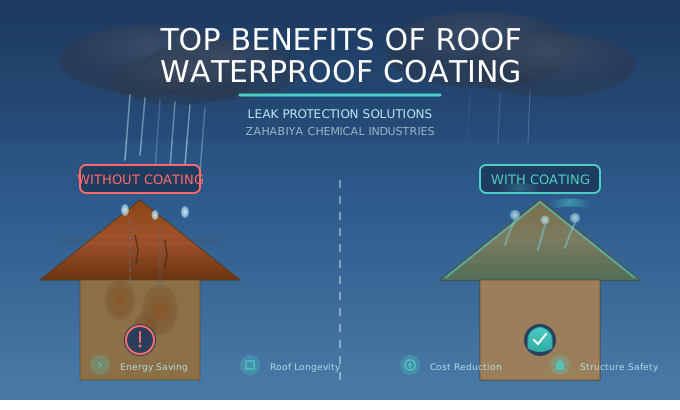
Roof waterproof coating keeps roofs safe by sealing up cracks, pores, and seams so that rainfall can’t get through the concrete slab. The coating makes a flexible waterproof barrier that keeps moisture out, protects the roof structure, and helps keep ceilings from getting damp, paint from peeling, and mold from growing.
A little crack or a weak joint on the terrace is generally where roof leaks occur. These holes or cracks let rainwater gently seep into the concrete. After a while, the ceilings get wet, the paint starts to flake, and the plaster gets weaker. To stop this problem before it starts, roof waterproof coating seals the roof surface so that water can’t seep through the building.
As a precaution, many homeowners and building managers now use roof waterproof coatings. This simple solution helps protect the roof, reduce maintenance costs, and keep the inside dry.
What Is Roof Waterproof Coating?
Roof waterproof coating is a liquid that is applied on roofs to stop water from getting inside. When it dries, it forms a smooth, waterproof layer that covers the whole roof.
Concrete roofs have tiny holes and small cracks that let water pass through. Waterproof coating fills these gaps and blocks water from entering.
Our products like Water Shield ZSAC-10/55 go deep into these tiny holes and seal them properly, making a strong base. Another product, WPU-10/70, adds a flexible top layer that lasts long and protects the roof from rain and harsh weather.
This type of waterproofing is commonly used on concrete roofs, terraces, and for fixing roof leaks
Benefit 1: Roof Waterproof Coating Stops Roof Leaks
Small cracks on the roof surface are usually the first sign of a roof leak. When the weather is hot, concrete expands, and when it gets cold, it shrinks. This movement produces little hairline cracks in the roof.
When it rains, water slowly flows into these crevices and spreads out inside the roof slab.
Before water gets into the concrete, roof waterproof coating protects the roof surface and fills in these fissures. The liquid coating makes a flexible, waterproof layer that covers the whole roof.
When it rains heavily, flat roofs often gather water. Water that stays on the roof for a long time progressively pushes into the concrete. A waterproof coating creates a barrier that stops this pressure and prevents the roof from leaking.
Benefit 2: Roof Waterproof Coating Protects the Roof Structure
Over time, water that gets into a roof slab might affect the building’s structure. When water gets through the concrete, it gets to the steel rebar inside the slab.
When steel is in contact with air and water, it rusts. Rust makes the concrete expand and puts strain on it, which can cause cracks and damage to the surface.
Roof waterproof coating keeps the concrete from becoming wet, which preserves the roof slab. The steel reinforcement inside the building stays safe when the slab stays dry.
Buildings near the seaside also have to deal with salt exposure. Water can gently break down concrete by carrying salt. High-quality waterproof coatings help keep salt from getting through and maintain the roof surface.
Benefit 3: Flexible Waterproof Coating Handles Roof Movement
When the temperature rises during the day, concrete roofs expand, and when the temperature drops at night, they shrink. This natural movement typically causes tiny fissures in the surface.
When it dries, regular exterior paint hardens and fractures when the roof moves.
Elastomeric roof waterproof coatings stay flexible even after they have dried. The coating may stretch with the roof and then go back to its original shape without breaking.
This flexibility keeps the waterproof covering from breaking even if minor cracks form later.
Benefit 4: Waterproof Roof Coating Helps Reduce Heat
Roofs receive direct sunlight for many hours each day. Dark roof surfaces absorb a large amount of heat, which slowly moves through the slab and increases indoor temperature.
Reflective roof waterproof coating helps reduce this heat absorption. Light colored coatings reflect sunlight away from the roof surface.
Lower roof temperature helps keep rooms cooler during hot weather. In warm climates, reflective waterproof coatings help improve indoor comfort and reduce cooling costs.
Benefit 5: Roof Waterproof Coating Prevents Damp Walls and Mold
Roof leakage often leads to damp ceilings and walls inside buildings. Moisture trapped in plaster creates an environment where mold and fungus can grow.
These damp patches damage paint and leave stains on ceilings and walls.
Applying roof waterproof coating prevents water from entering the roof slab. When moisture cannot pass through the roof, interior walls and ceilings remain dry.
Many waterproof coatings also contain anti fungal properties that help prevent fungal growth on the roof surface.
When Should Roof Waterproof Coating Be Applied?
Roof waterproof coating can be applied during new construction or during roof repair and renovation.
Applying waterproof coating during construction protects the roof from the start. Older buildings often apply waterproof coating when early signs of leakage appear.
Common signs include terrace cracks, damp ceiling spots, peeling paint, and white salt deposits on walls.
Applying roof waterproof coating early helps prevent further damage and reduces repair costs.
How Basic Roof Care Helps Waterproof Coating Last Longer
Roof waterproof coating requires minimal maintenance when applied correctly.
Roof drains should remain clear so rainwater can flow away easily. Blocked drains cause water to remain on the roof longer than necessary.
Areas around pipes, vents, and air conditioning units should also be inspected regularly because these locations can develop small gaps over time.
A simple roof inspection once a year helps identify small problems early and keeps the waterproof coating performing well.
Conclusion
Roof waterproof coating protects roofs from water penetration, moisture damage, and roof leakage. The coating forms a protective membrane that seals cracks, blocks rainwater, and protects the roof slab.
Using a complete waterproofing system, like Water Shield ZSAC-10/55 to seal the surface and WPU-10/70 to add a flexible protective layer, helps the roof stay strong and protected for a long time.
Zahabiya Chemicals provides high quality roof waterproof coating solutions designed for concrete roofs, terraces, and exterior surfaces exposed to weather. Applying the right roof waterproofing coating helps keep buildings dry, comfortable, and protected for many years.
FAQs
What is the difference between roof waterproof coating and roof sealant?
Roof waterproof coating forms a continuous protective membrane across the entire roof surface, preventing water penetration through pores and cracks. Roof sealants, on the other hand, are usually applied only to specific joints, gaps, or seams. Coatings provide full-surface protection, while sealants mainly address localized leak points.
How long does roof waterproof coating last?
The lifespan of roof waterproof coating usually ranges from 5 to 10 years, depending on the coating type, weather exposure, and roof maintenance. Regular inspections, proper drainage, and timely recoating can help extend the protective performance and keep the roof leak-free for a longer period.
Can roof waterproof coating be applied on an old roof?
Yes, roof waterproof coating can be applied on older roofs as long as the surface is properly prepared. Cleaning dirt, repairing visible cracks, and ensuring the roof is dry before application helps the coating bond properly and create a durable waterproof layer.
Is roof waterproof coating suitable for flat roofs?
Roof waterproof coating works very well on flat roofs because these surfaces often collect rainwater. The coating forms a seamless barrier that prevents standing water from seeping into the concrete slab and reduces the chances of leaks developing over time.